The Centre for European Policy Studies (CEPS) is a Brussels-based independent think tank founded in 1983. CEPS will help us to dive deeper into all topics concerning IT in Brussels. The organization produces 150+ publications annually and maintains institutional independence through diversified funding (40%+ from EU grants, with no single funder exceeding 2.5% of revenue).
Its digital research focuses on:
- EuroStack: CEPS co-authored a detailed report on EuroStack with Bertelsmann Stiftung, Stiftung Mercator, and UCL’s Institute for Innovation and Public Purpose, providing the analytical foundation for policy action
- Regulatory Coherence of EU Digital Law: CEPS has a task force “Next steps for EU law and regulation for the digital world” (Nov 2025–Mar 2026): addresses coherence across DMA, DSA, GDPR, Data Act, AI Act, Cyber Resilience Act; focuses on impact assessments, ex-post evaluation, and RegTech.
- Cybersecurity & Quantum Resilience: Task Force “Strengthening the EU transition to a quantum-safe world” (Apr–Dec 2025): multi-stakeholder platform with 11 private organizations, 11 EU institutions/agencies, 7 universities/think tanks; develops quantum-safe guidelines for EU institutions, member states, and private sector.
- AI Governance & Foundation Models: Project “Generative AI and foundation models in the EU” (Jul 2024–Feb 2025): maps GPAI value chain and develops post-AI Act policy recommendations for the European Economic and Social Committee (EESC).
- Transatlantic Tech & Trade Coordination: Project “EU–US Trade and Technology Dialogue” (May 2022–May 2026): supports EU-US Trade and Technology Council (TTC) working groups through stakeholder mobilization, events, and demand-driven analysis; consortium includes EUI, IAI, Forum Europe.
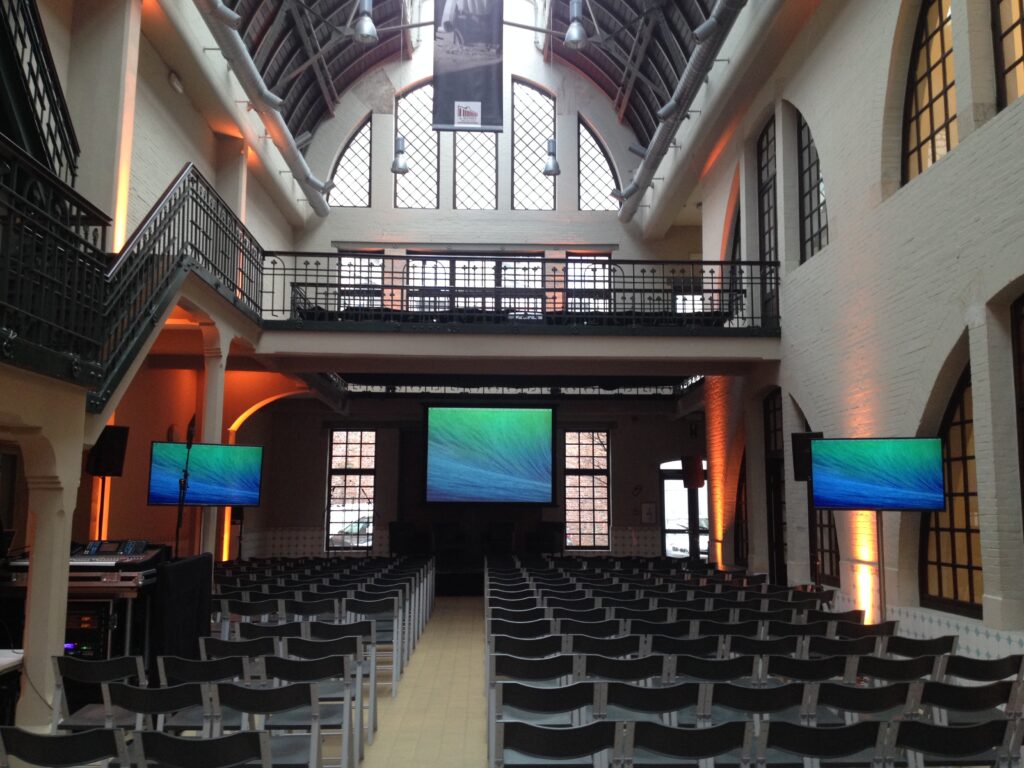
CEPS employs approximately 70 staff across 20+ nationalities. The speakers at our event on Friday, June 26, in the L’Atelier des Tanneurs, Rue des Tanneurs 60A, 1000 Bruxelles, will be:
Lorenzo Pupillo
Associate Senior Research Fellow; Head of Cybersecurity@CEPS
Focus: Cybersecurity policy; internet policy; governance, market, and risk perspectives on digital security.
Recent Work: Quantum-safe transition report (Dec 2025); “Investing in Cybersecurity” with Summa Equity (Dec 2025); EU-US TTC support (2022–26).
J. Scott Marcus
Associate Senior Research Fellow, GRID Unit
Focus: EU digital and telecommunications regulation; governance and coherence of digital legislation; regulatory quality and impact assessment.
Recent Work: Task Force “Next steps for EU law and regulation for the digital world” (2025–26); EU digital instruments dataset (Jul 2025); “Top 20 digital laws” analysis (Aug 2025).
Artur Bogucki
Associate Researcher, GRID Unit; Assistant Professor, Warsaw School of Economics (SGH)
Focus: Law and economics; AI governance; European regulatory frameworks; member of AI Lab at SGH; leads CIVICA Europe Revisited group; board member of Polish Association of Law and Economics.
Recent Work: Lecturer in European Master in Law & Economics program; visiting posts and research fellowships at ETH Zurich, LUISS, and University of Glasgow.
Andrea Renda
Research-Director of the Centre for European Policy Studies (CEPS)
Focus: Digital policy and regulation; AI governance, ethics and risk; emerging technologies and agile regulation; innovation and competition policy; global governance; EU/U.S. tech policy and digital economy; advises EU institutions, OECD, World Bank and other international bodies.
Recent Work: “Mapping of technology specialisation, complexity and relatedness of the EU and selected global partners” and “Assessment of the state of play of the innovation principle in the preparation of EU legislation”
| About CEPS Founded: 1983 | Brussels, Belgium (Place du Congrès 1, 1000 Brussels) Legal Status: Non-profit international association (AISBL) under Belgian law Leadership: Karel Lannoo, Chief Executive Officer (CEO since 2000) Staff: ~70 employees, 20+ nationalities Output: 150+ publications annually across 20+ policy areas Funding Model: Diversified: EU institutional grants (40%+), corporate/institutional memberships, foundation support, conference fees |